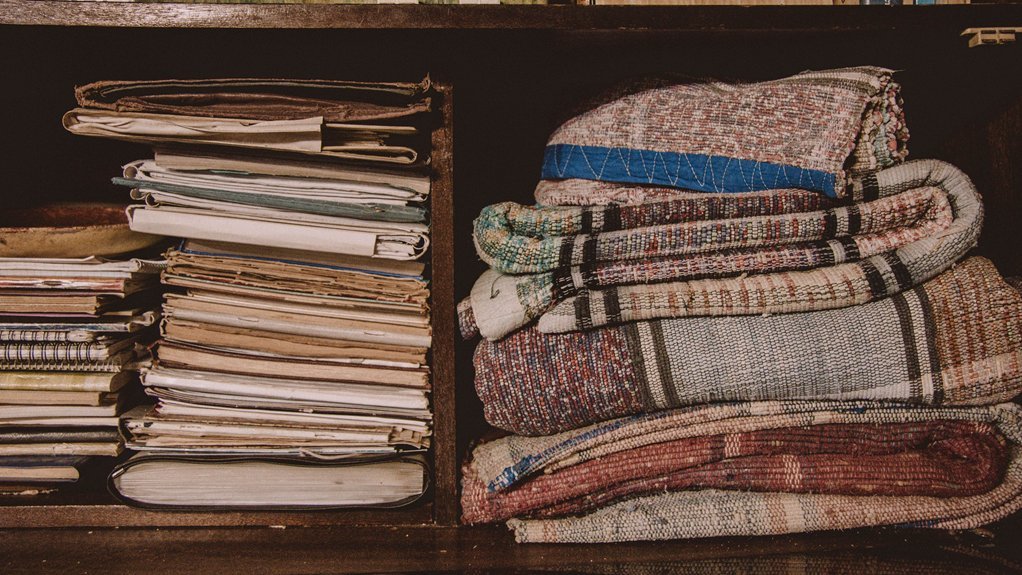
You feel it first. Thick cotton with a *grippy nubby texture* that almost hums in your hands. I’ve handled piles of vintage barkcloth and the good stuff stands out like a lighthouse in fog.
You want weight. You want structure. You want fabric that holds its shape**** when you lift it. Flimsy pieces sag and lose impact fast.
Color tells the real story. Deep reds. Lush greens. Ocean blues that still pop after decades. I look for dyes that stay rich under light, since sun exposure reveals weak prints fast.
Patterns matter more than people think. Big tropical leaves. Bold florals. Clean repeats that flow without visual noise. *It should feel like stepping into a retro postcard.*
Here’s what I check every time:
- 100 percent cotton with a dense weave
- Heavy hand feel that signals durability
- Large scale prints with clear edges
- Minimal fade across folds and seams
- Crisp repeat alignment across panels
You’ll smell age in true vintage pieces. A faint dry cotton scent with a hint of storage dust. That’s part of the charm.
For drapes, weight drives the win. Fabric hangs straight and frames light with authority. For upholstery, thickness resists wear and keeps its form.
I’ve seen average barkcloth fade into the background. Great barkcloth steals the show. Pick pieces that speak loud and clear, since quality always shows itself at a glance.
Trendtex Fabrics Ltd. – 100% Cotton Barkcloth – Ahiki Black
https://m.media-amazon.com/images/I/91LpBg0WROL._AC_SX679_.jpg
If you crave bold tropical style with real weight, I’ve used this fabric and it delivers. The surface feels slightly rough and thick, like tree bark with a soft hand. You get 100% cotton bark crepe that holds shape and resists wear. It stands like a palm in a storm.
At 57 inches wide, you cut more in one go. That saves time on big panels. The Hawaiian print pops with deep black and earthy tones. The 10.25 inch horizontal repeat keeps lines clean. The 15 inch vertical repeat keeps flow steady. Patterns line up without guesswork.
I’ve sewn drapes and cushions with it. The fabric feeds smoothly through a machine. It grips well under your fingers. You can also shape it into table linens or casual wear. Think cabana shirt with attitude.
Care stays simple. Wash cold. Hang dry. Skip bleach. Colors show slight shifts between batches. I plan projects with that in mind.
Best For: You want a durable tropical cotton for bold home decor or statement clothing. This one hits like a drumbeat.
Pros:
- Heavyweight cotton barkcloth feels thick and textured
- Classic island print draws the eye and holds balance
- Wide cut supports drapery, upholstery, and apparel
Cons:
- Care routine needs cold wash and air dry
- Dye lots vary in shade across rolls
- Weight suits structure over flowy designs
Factors to Consider When Choosing Vintage Barkcloth Fabric
I’ve handled plenty of vintage barkcloth, and you feel the difference right away. The fabric should feel thick and slightly nubby, like a firm handshake. *Weight matters.* Heavier cloth hangs better and blocks light with ease.
Check the fiber content next. I look for cotton or a cotton blend since it breathes well and feels cool to the touch. Synthetic mixes can feel slick and a bit noisy, like a faint rustle when you move it. That texture tells you a lot.
Now focus on the print. Scale and repeat shape the whole room. Large palm or floral prints grab attention fast. Smaller repeats blend in and calm the space. I always step back a few feet and let my eyes adjust, it works like seeing the forest for the trees.
Color comes next. Rub the surface lightly with a damp cloth and watch for dye transfer. Vintage dyes can fade with time, so you want strong color that holds. *Rich tones should stay rich.*
Think about how you plan to use it. Upholstery needs strength and tight weave. Curtains call for flow and soft drape. Pick fabric that fits the job so it lasts and looks right every day.
Fabric Weight And Feel
Fabric Weight And Feel
I’ve handled a lot of vintage barkcloth. Your hands tell the truth fast. Think of it like a firm handshake, you know what you’re getting.
Heavier barkcloth feels thick and sturdy. You notice a dense weave right away. It holds shape with confidence. I use it for upholstery and drapes. It sits firm and looks sharp.
Lighter barkcloth feels easier and softer. It bends with less effort. You get a gentle flow. I like it for apparel and light decor. It moves with you.
Touch the surface. It feels textured and slightly rough. You hear a faint rustle as it shifts. That tactile bite gives it a *unique* charm.
Thicker pieces add a layer of comfort. They help manage heat at the window. Rooms feel calmer and more stable.
Match weight to your job. Trust your grip. If it feels right then it will perform right in daily use.
Quick picks
- Heavy weight, best for upholstery and curtains
- Medium weight, great for slipcovers and pillows
- Light weight, ideal for clothing and accents
Pro tip: I rub the fabric between my fingers. If it feels balanced then it will *ensure* long term use with *utmost* comfort.
Fiber Content Quality
Fiber Content Quality
Pattern grabs you first. Fiber decides how it lives.
I’ve handled piles of vintage barkcloth. Most use 100% cotton. You get a soft feel with real strength. It suits upholstery. It suits curtains. It suits pillows.
Touch it. Feel the weight in your hands. Dense cotton feels thick and a bit nubby. That texture acts like a workhorse. It holds shape over years.
Look close at the weave. Good barkcloth shows a crisp raised texture. Color sits deep in the threads. Prints stay sharp like fresh ink.
Sun matters. I’ve seen cheap fibers fade fast like a shirt left on a line all summer. Strong cotton keeps color longer. Your room stays lively.
Care stays simple. Cotton handles a machine wash. Use a gentle cycle. Dry with care so the fabric keeps its body.
Quick checks I use:
- Feel the weight, heavier often means longer life
- Inspect the weave, texture should feel pronounced
- Check color depth, rich tones signal quality dye hold
- Ask about wash care, gentle cycles keep it strong
Think of it like a good pair of jeans. Solid cotton ages well. It just gets better with time.
Print Scale And Repeat
Scale sets the mood. Repeat sets the rhythm. I’ve handled plenty of barkcloth, and you feel the weight and see the pattern snap into place.
Focus on repeats first. They guide every seam.
- Horizontal repeat controls side to side flow
- Vertical repeat controls top to bottom flow
- A 10.25 inch horizontal repeat shifts panel alignment
- A 15 inch vertical repeat changes drop placement
You’ll notice it right away. Seams either sing or feel off beat, like a drum out of time.
Scale drives impact. Large prints hit hard. Small motifs whisper.
I match scale to space every time. Big rooms welcome bold shapes. Tight corners call for restraint. Think of it like seasoning, a pinch works or a handful overwhelms.
Use matters. Apparel likes balance. Upholstery loves drama. I’ve seen chairs pop with oversized palms that feel almost textured under your hand.
Step back and look. Patterns change at distance. Fine lines blur into soft shapes. Colors blend like wet paint.
Plan yardage with care. You want clean repeat placement. You want seams that line up with intent. Clean cuts give a polished finish that feels right the moment you see it.
Color Fastness Stability
Color fastness shows how well those rich hues stay put. I’ve handled vintage barkcloth that still pops and some that looks washed out. You want color that sticks like glue.
What I look for first.
Strong dye bonding matters. It keeps color from lifting during wash and wear. I run a damp cloth over the surface and check for transfer. No bleed means better stability.
Light hits hard. Sun can dull pigment over time. Fabrics with UV resistance hold color longer. I’ve seen bright florals fade to ghosts in sunny rooms.
Natural dyes feel earthy and soft to the touch. They often fade faster. Synthetic dyes tend to lock in deeper tones. You’ll see the difference after a few washes.
Care that keeps color alive.
Simple habits go far.
- Wash in cold water
- Use mild detergent
- Skip bleach
- Air dry in shade
Cold water feels crisp on your hands and keeps fibers calm. Heat can stress the dye bond.
What to avoid.
I steer clear of pieces with patchy tones. Uneven color hints at weak dye hold. Those spots spread with time.
Quick take.
Pick barkcloth with rich even color and a smooth feel. Treat it gently and it stays vivid. Like a good paint job it rewards care and patience.
Intended Use Suitability
Pick the right barkcloth or pay for it later. I’ve handled dozens of rolls, and weight makes or breaks your project. Heavy barkcloth feels thick and slightly coarse in hand. It suits upholstery and curtains that need body. Lighter cloth feels softer and bends easy. Use it for clothing or bags.
Sunlight hits hard over time. I’ve seen colors fade fast in bright rooms. Pick fabric with strong dyes for windows and sunrooms. Your eyes will thank you later.
Print drives the whole look. Big tropical patterns shout loud and proud. They can carry a room on their own. Smaller prints play nice with other decor. Think of it like seasoning in a dish.
Check pattern repeat before you cut. I always measure both directions. You want clean lines at seams. Crooked joins look sloppy.
Plan your yardage like a pro. Scale matters a lot with sofas or dresses. I lay pieces out on the floor to see flow. It saves headaches later.
Care matters too.
- Feel the fabric after a light mist, it tells you how it handles water
- Read cleaning notes before you buy
- Match care to your lifestyle
Get this right and your project sings.
Care And Maintenance
Care And Maintenance
I’ve handled vintage barkcloth for years, and it rewards gentle care. The fabric feels thick yet soft, almost like dry leaves with a smooth finish. Treat it right from day one.
Use cold water every time. Heat fades color fast. It also weakens the fibers you want to keep strong. I always choose a mild cycle and a gentle soap.
Skip the dryer. Hang it up and let air do the work. You will feel the texture stay crisp and natural. Think of it like sun drying herbs, slow and kind.
Small stains happen. I spot clean with a damp cloth. This keeps the fabric fresh without extra wear. Overwashing breaks fibers down over time.
Bleach has no place here. It strips color and harms the weave. Your piece loses its *original charm* in one wash.
When you source more fabric, check dye lots. Colors can shift from batch to batch. I hold pieces side by side in daylight. This simple step keeps your project looking clean and cohesive.
Stay consistent with care. Your barkcloth will age like a good story, rich and full of character.
Conclusion
You feel it right away. Vintage barkcloth has a thick weave and a soft grit under your fingers. I’ve tested dozens of pieces, and the best ones hold shape like a trusty old chair.
You want fabric that works hard and looks bold. I check weight first. Heavy cloth hangs clean and blocks light. It also adds that rich, almost canvas feel that makes a room pop.
Color tells the real story. Some prints stay bright after years of sun. Others fade fast. I look for deep dyes that still smell faintly earthy, like stored cotton in a dry attic.
Here’s what I always check before buying:
- Weight, heavier fabric gives better drape and durability
- Fiber, cotton blends feel strong and breathe well
- Color stability, rich tones hold up over time
- Print clarity, sharp patterns signal quality production
Good barkcloth walks the line like a tightrope artist. It balances style and daily use with ease. You get bold design without fuss.
I’ve used it for curtains, cushions, and upholstery. It handles wear and still looks sharp. That’s why collectors chase it. You bring home something *timeless* that still works every day.